2026-08-06
Share


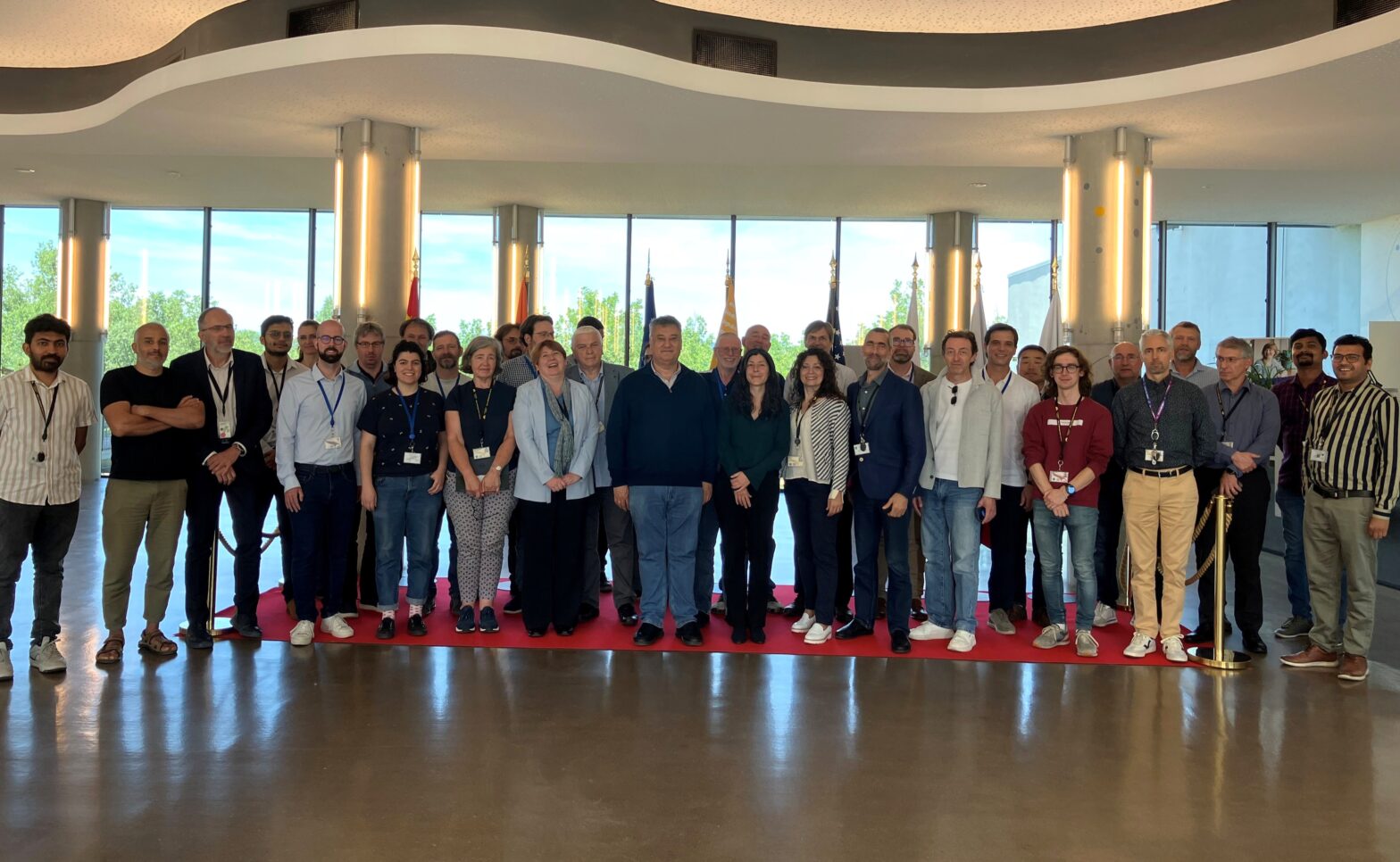
Group picture at the meeting for the European TBM Preliminary Design Review held at the ITER headquarters. ©F4E-ITER Organization
The ITER Test Blanket Modules (TBMs) hold the key to one of fusion’s most challenging and strategic technologies: the breeding blanket. This in-vessel component will allow future fusion power plants to be self-sufficient by regenerating their fuel. It’s a closed loop: tritium, a scarce isotope, will fuse with deuterium releasing high-energy neutrons. These particles will strike the blanket, where their interaction with lithium produces fresh tritium, then fed back into the fuel cycle.
ITER provides an unparalleled opportunity to develop and test this technology. Through the TBM programme, four blanket concepts are being designed by different parties. Europe is working on two: a water-cooled lithium (WCLL), led by Fusion for Energy (F4E), and a helium-cooled ceramic pebbles (HCCP), co-developed with Korea. The four prototypes will be installed in ITER to face the plasma during operations, allowing experts to study their performance under reactor-relevant conditions for the first time.
F4E is making strides to advance the two European TBMs. The programme recently held the meetings for both Preliminary Design Reviews (PDRs). This is a critical moment to assess and carry forward the work of many years. The teams of F4E and its partners prepared over 150 documents for each concept detailing every aspect of the designs. They drew on extensive exchanges with ITER Organization and analyses provided by various laboratories and suppliers.
“The TBMs integrate advanced materials and technologies and are designed to meet the highest nuclear safety and quality standards,” explains Francesca Fantini, TBM Programme Manager for F4E. “Our design builds on a vast body of R&D carried out by European fusion laboratories. They provide us with multidisciplinary expertise, and we give them a return on experience to capitalise on for the breeding blanket” she adds.
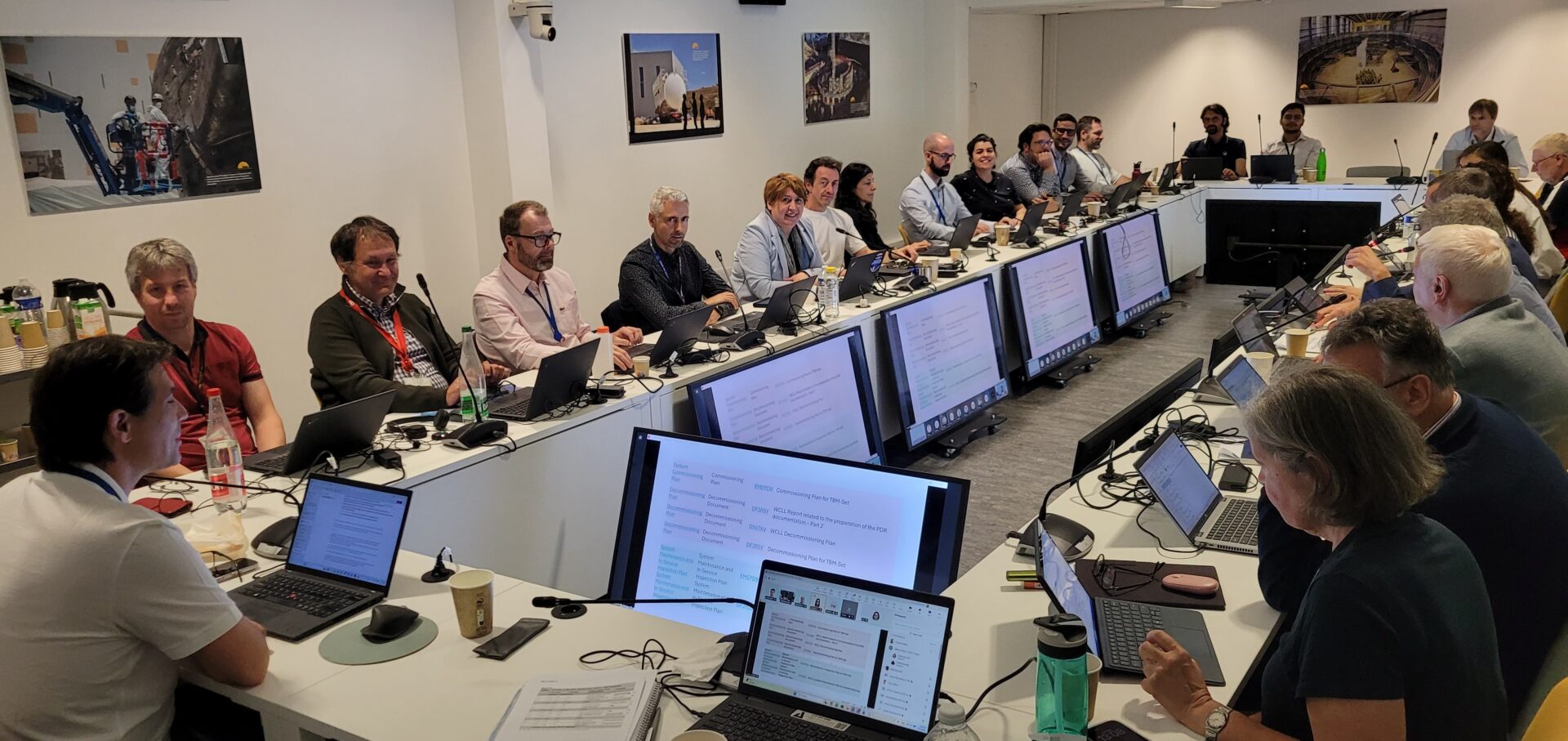
The complexity and breadth of the TBM requirements call for teamwork. Over the years, experts from F4E, Korea and ITER Organization have converged on the technical approach and forged a trustful cooperation. The recent meetings reflected this spirit: “We openly discussed remaining challenges and our plans to address them. With this attitude, we’re confident we can be ready to close the PDR by the end of the year,” highlights Fantini.
After that, the F4E teams will move onto the final design, including new contracts for the development of mock-ups. This investment will bring the TBMs one step closer to industrialisation. And beyond that, it will help Europe build and retain leading know-how in a crucial technology to harness fusion energy at scale.