2026-06-11
Share


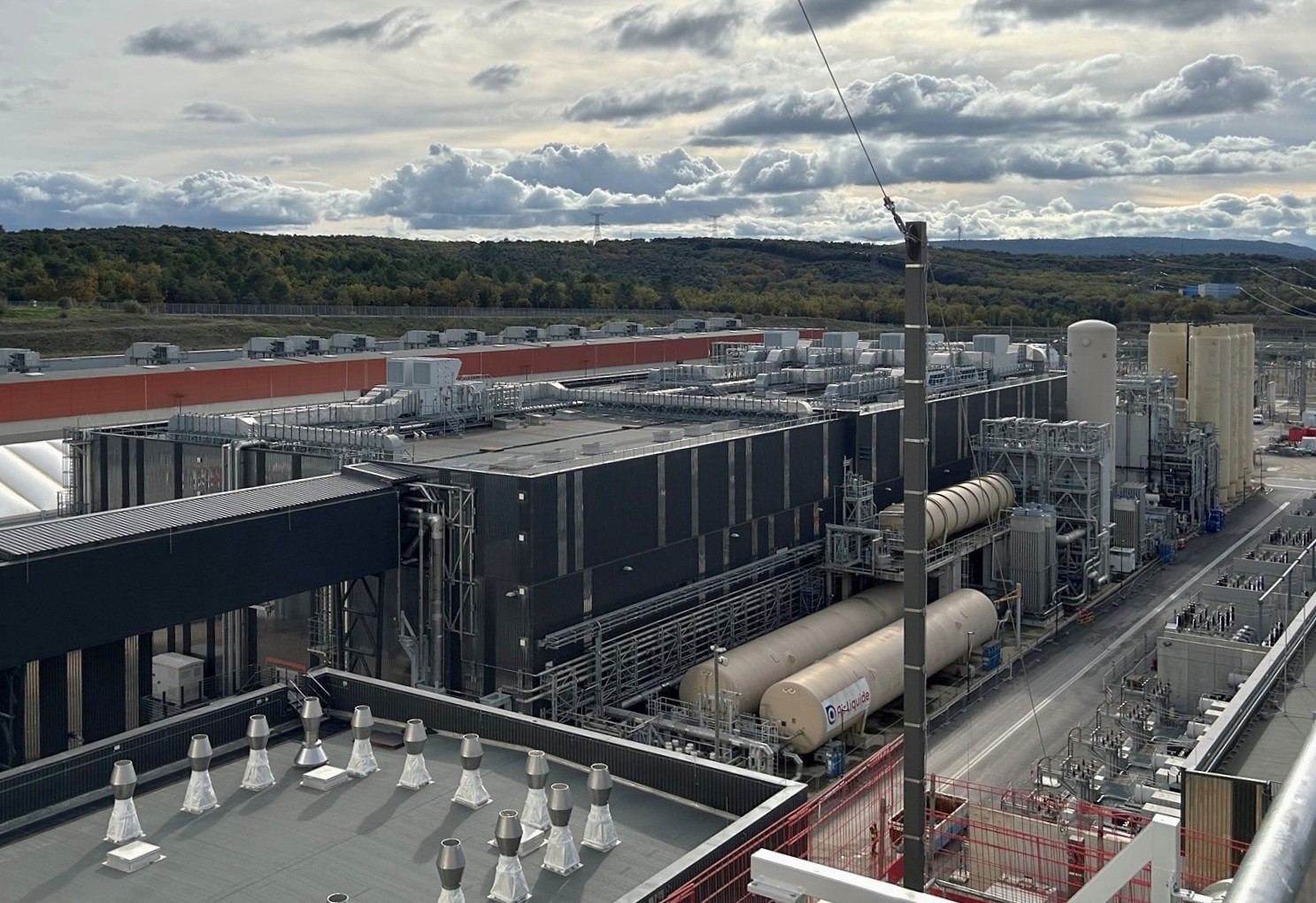
The ITER Cryoplant seen from the roof of a nearby building. October 2025. ©ITER Organization
Creating a plasma ten times hotter than the Sun requires a powerful supply of cold. This temperature paradox lies at the heart of ITER. In the world’s biggest fusion reactor, a set of magnets will be cooled down with supercritical helium at 4 K (-269 °C) to become superconducting and confine the plasma at 150 million °C. Besides, helium will also be dispatched to the cryopumps to create the vacuum in the reactor, whilst thermal shields will need gaseous helium at 80 K (-193 °C).
Producing such cold fluids takes a massive infrastructure. The ITER cryoplant, located next to the Tokamak Complex, is the size of a football field and features a vast range of equipment. A large part of it bears Europe’s industrial stamp. Fusion for Energy (F4E) has been collaborating since 2013 with the French firm Air Liquide to provide the liquid nitrogen (LN₂) plant plus various auxiliary systems.
After intensive years of installation and tests, the LN₂ plant is now ready for service. The European teams successfully cooled down the two nitrogen refrigerators, completing the commissioning of the system. The plant showed that it can deliver the cooling power required (1,300 kW at 80 K) and can perform reliably in various scenarios. Soon, it will be handed over to ITER Organization, responsible for its operation as a pre-cooler for the helium refrigerators.
The nitrogen’s circuit runs through a set of equipment, including compressors, cold boxes and the 26-meter-tall storage tanks. Commissioning involved a sequence of carefully planned steps. It began with checking mechanical, electrical and control circuits; cleaning the lines and filling them with working fluids.The different components were then operated with nitrogen at room temperature. Once all systems were ready, came the coolest tests: the teams progressively brought down nitrogen to operating temperature and ran a set of performance trials.
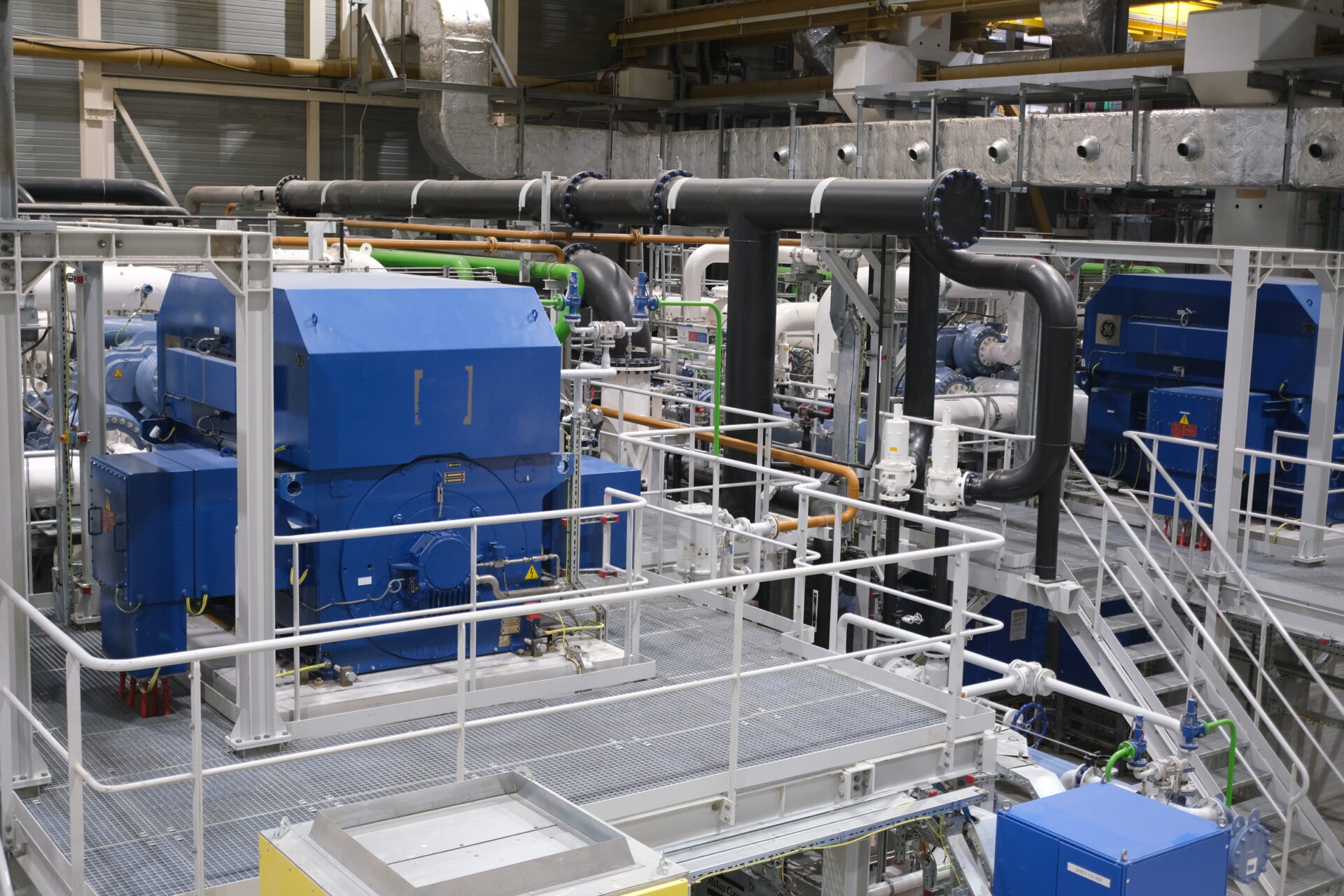
Air Liquide experts ran the operations from a control room attached to the cryoplant. Grigory Kouzmenko, Project Manager for F4E, was there to follow it: “Commissioning is an exciting learning process. You see the technologies working in their real environment and, of course, you spot issues along the way. We worked together as a team, with the suppliers and future operators, to ensure reliable operation, apply solutions and rehearse for when ITER is up and running,” he said.
“Achieving the successful commissioning of the nitrogen unit is a pivotal milestone. It highlights the strong collaboration between Air Liquide Engineering & Construction and F4E, reflecting the wider Air Liquide Group’s dedication to ITER. We are honoured to bring our unique cryogenic expertise to this groundbreaking project,” said Frédéric Debert, Commissioning manager at Air Liquide.